The Orthodox Church in Guatemala
134 churches. Six clergy. Half a million faithful.
In 2010 a Catholic priest entered the Orthodox Church, and the communities he served came with him. Today one bishop, two priests and three deacons serve them all.
Before · How we got here
A people who have suffered for generations.
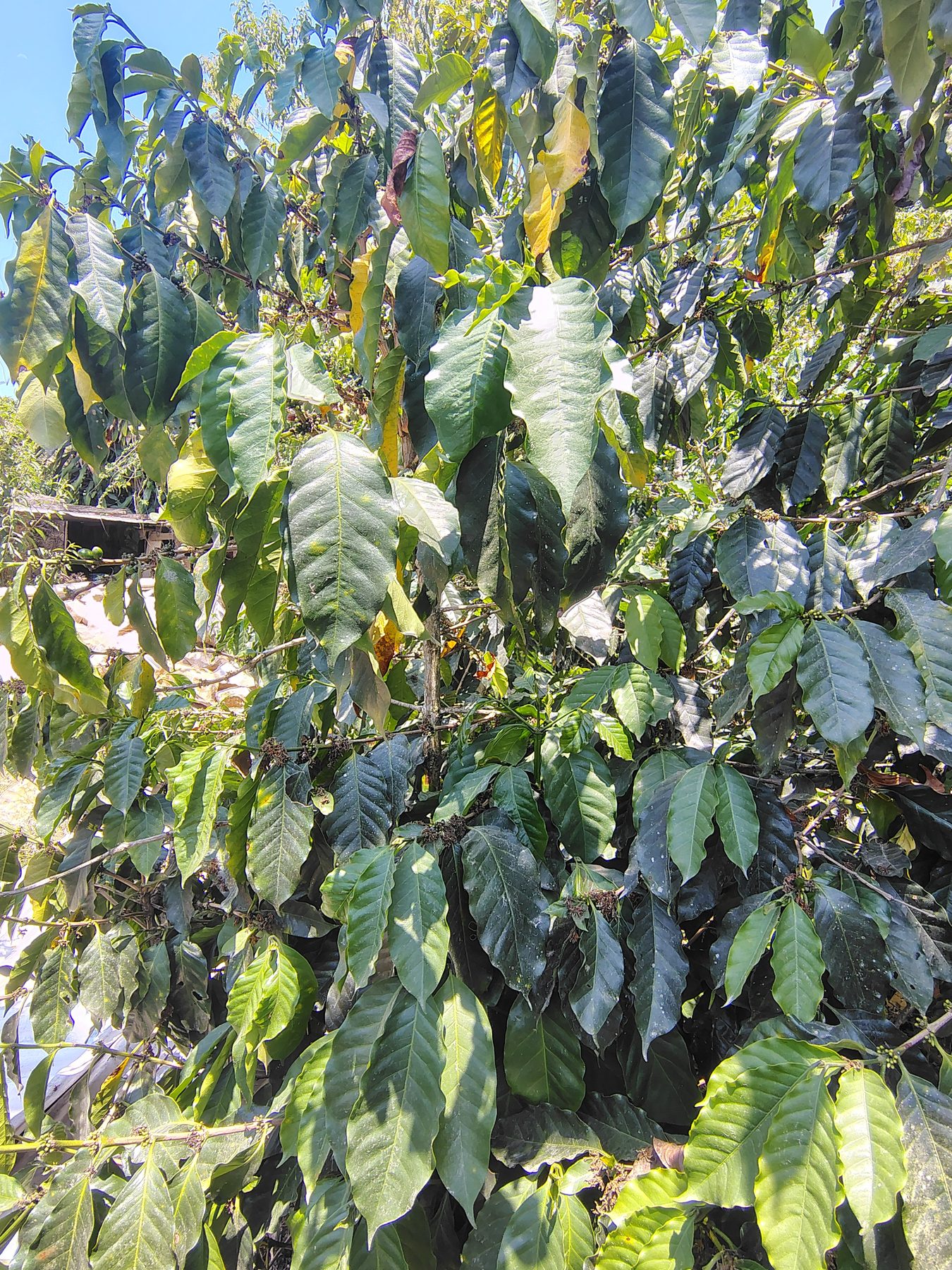
The Maya people of Guatemala have been exploited for generations. Foreign-owned banana, coffee and sugar plantations were built on their labor: long days in the fields for very little pay, with no say over the land or the terms of the work.
In 1954 a coup backed by the United States government and the United Fruit Company ended the country's land reform. In the 36-year civil war that followed, more than 200,000 people were killed or disappeared, most of them Maya. The UN-backed truth commission found that kidnappings, massacres and rape were used as weapons of terror. People who speak up for land and workers' rights in Guatemala are still threatened today.
"Slavery would be an upgrade."
It was this long suffering that Rigoberta Menchú, a K'iche' Maya woman, told the world about. In 1992 she received the Nobel Peace Prize for her work for the rights of indigenous people.
- 1954A coup backed by the United States and the United Fruit Company ends land reform.
- 1960–1996Civil war. More than 200,000 killed or disappeared, most of them Maya.
- 1992Rigoberta Menchú receives the Nobel Peace Prize.
- 2010Fr. Andrés Girón is received into the Orthodox Church. His communities follow.
- 2024Evangelos Pata Tuctuc is consecrated Bishop Osios of Sasima.
- Today134 parishes. One bishop, two priests, three deacons.
A priest who would not be silenced.
The same people became the mission of Fr. Andrés Girón, a Catholic priest. He preached for land reform, health care, schooling and a living wage. That set him against powerful landowners and the authorities, and it put his own life in danger. He would not be silenced.
In 2010 he was received into the Orthodox Church. His people followed him freely and in great numbers, and 134 parishes became Orthodox. What clearer sign could there be of God's providence?
Today Bishop Osios, two priests and three deacons care for all of these parishes, and they urgently need our support. The question for each of us is how you and I can help these servants of God shepherd and comfort the people of Guatemala and lead them to salvation.
Please help. We urgently need to catechize more, baptize more, and guide more souls to the hope and salvation of Christ.
Donate5:00 · The road
The clergy leave before dawn.
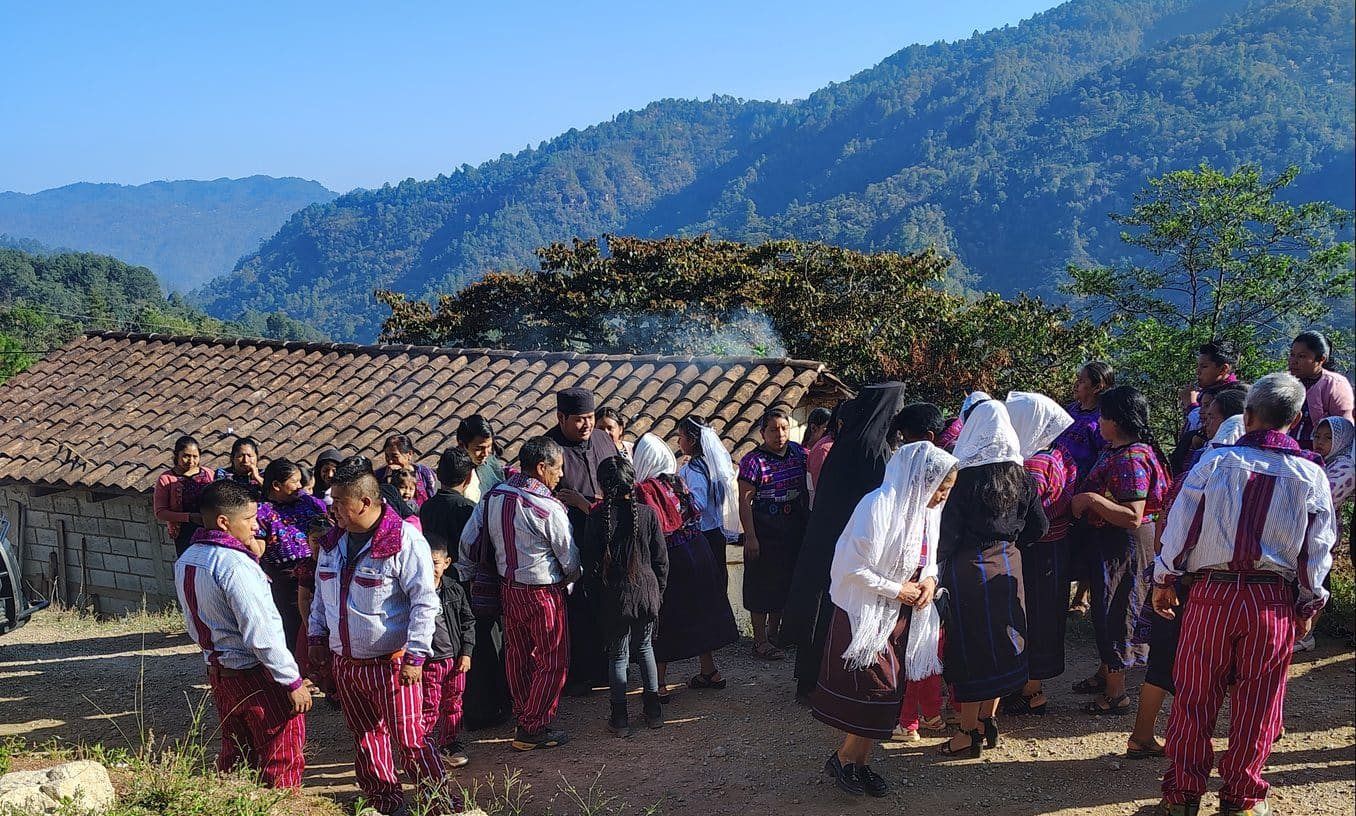
The parishes run from villages above 7,000 feet around Huehuetenango down to Nueva Concepción and the plantation towns of Escuintla on the Pacific coast, where work is seasonal, in bananas and coffee.
The drive between them is two to four hours each way. The clergy leave at 5:00 in the morning to begin a 9:00 liturgy in a building that was Catholic a few years ago. More often than not, they eat their meals in the car.
9:00 · Liturgy
Between 150 and 300 faithful at every service.
They come because they do not know when the next chance will be to attend a liturgy, receive communion, baptize a child, or speak with a spiritual father.
The bishop who brought them was received with no clergy, no staff, and very little support of any kind. Two more clergymen soon joined him, and together they set out to root these communities in the Orthodox faith.
Inside · The church today
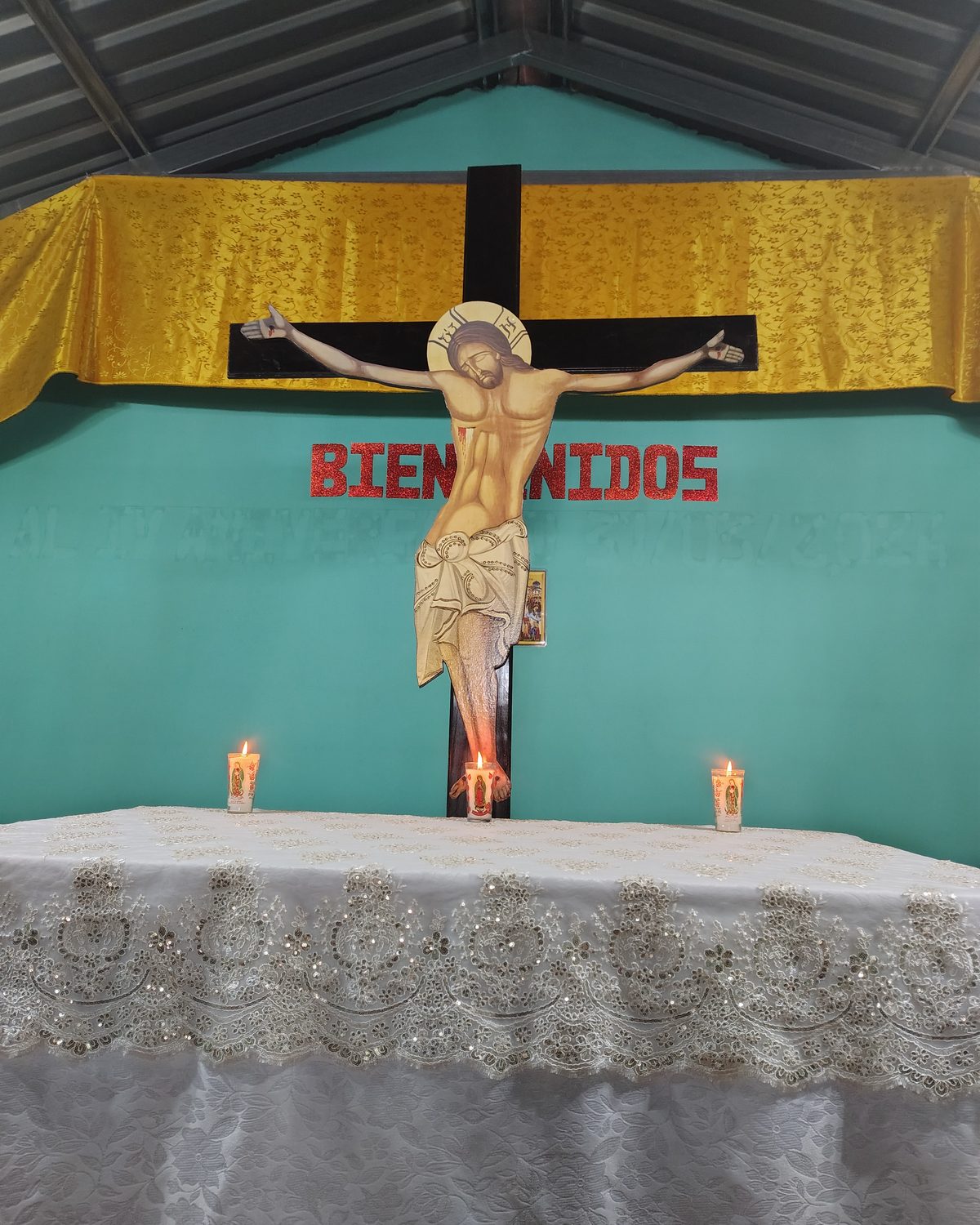
One table stands in for the Holy Table.
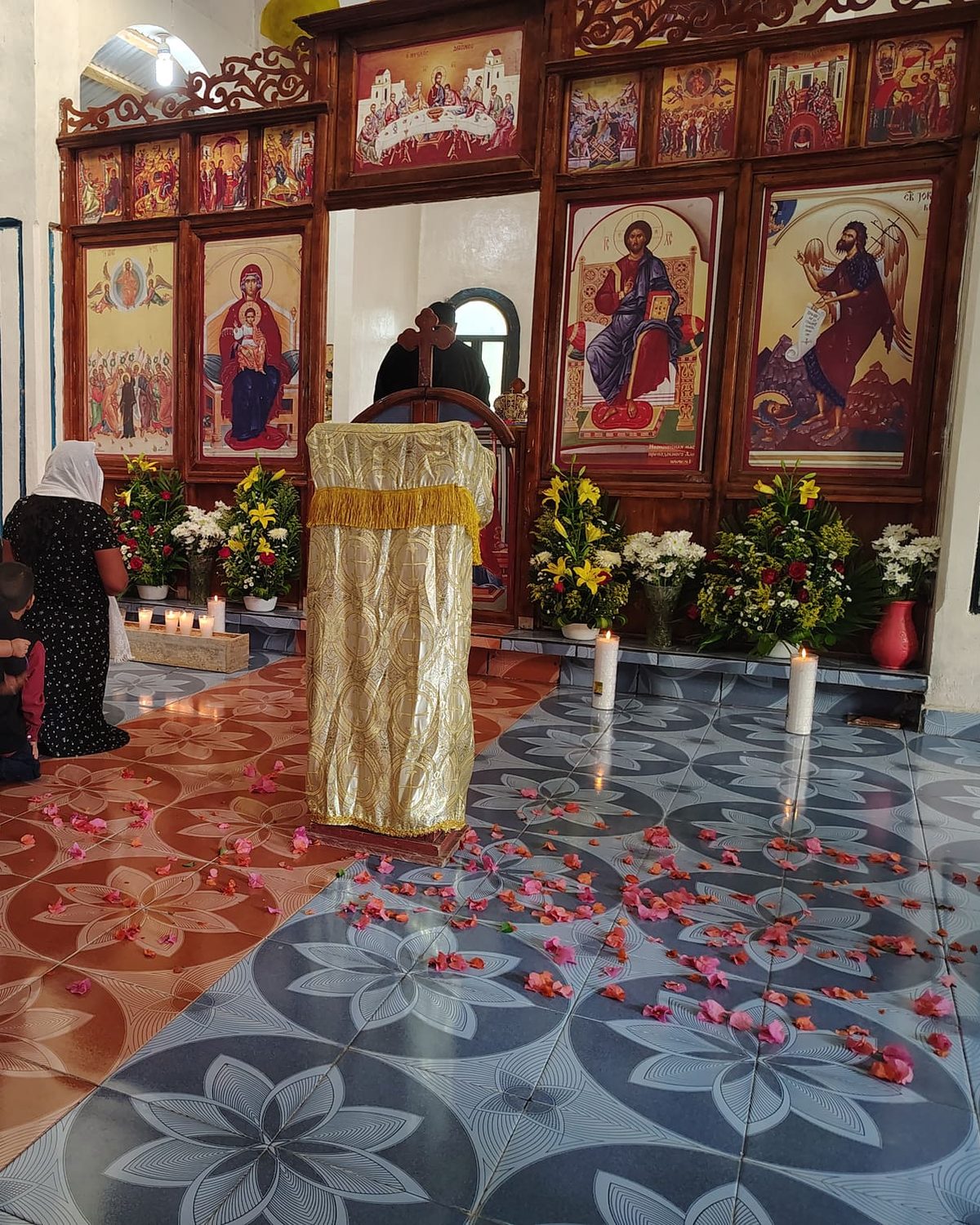
The buildings are still set up for a Catholic Mass. Most have no icons on the walls, no iconostasis, no vestments, no candles. The priest carries the only Gospel book from village to village.
After the liturgy · Baptisms
"You have to see the parishioners waiting for the bishop."
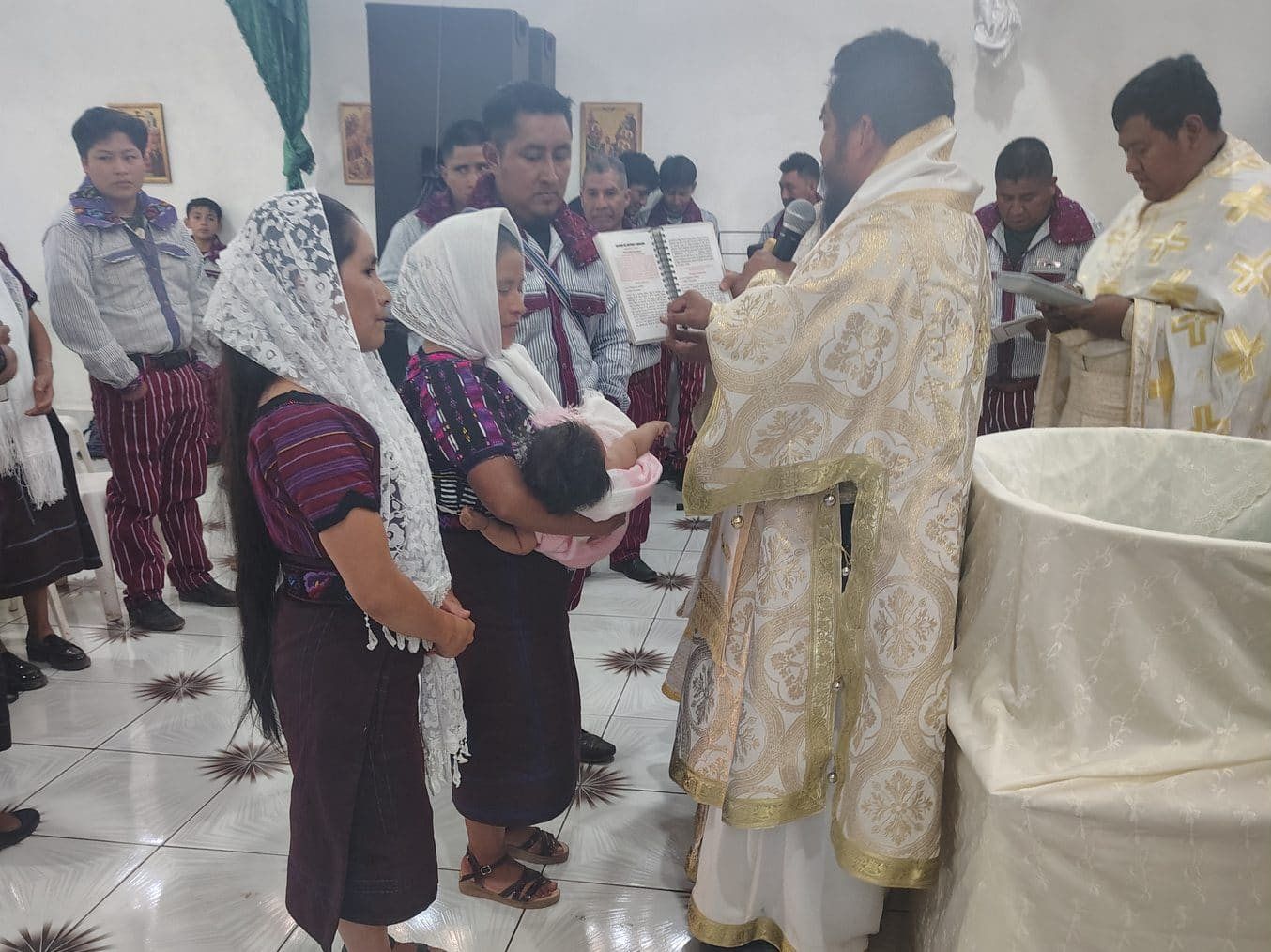
I was humbled by them. Men and women in their finest clothes, mothers carrying babies on their backs, many of them arriving on foot or in the beds of pickup trucks from communities all around.
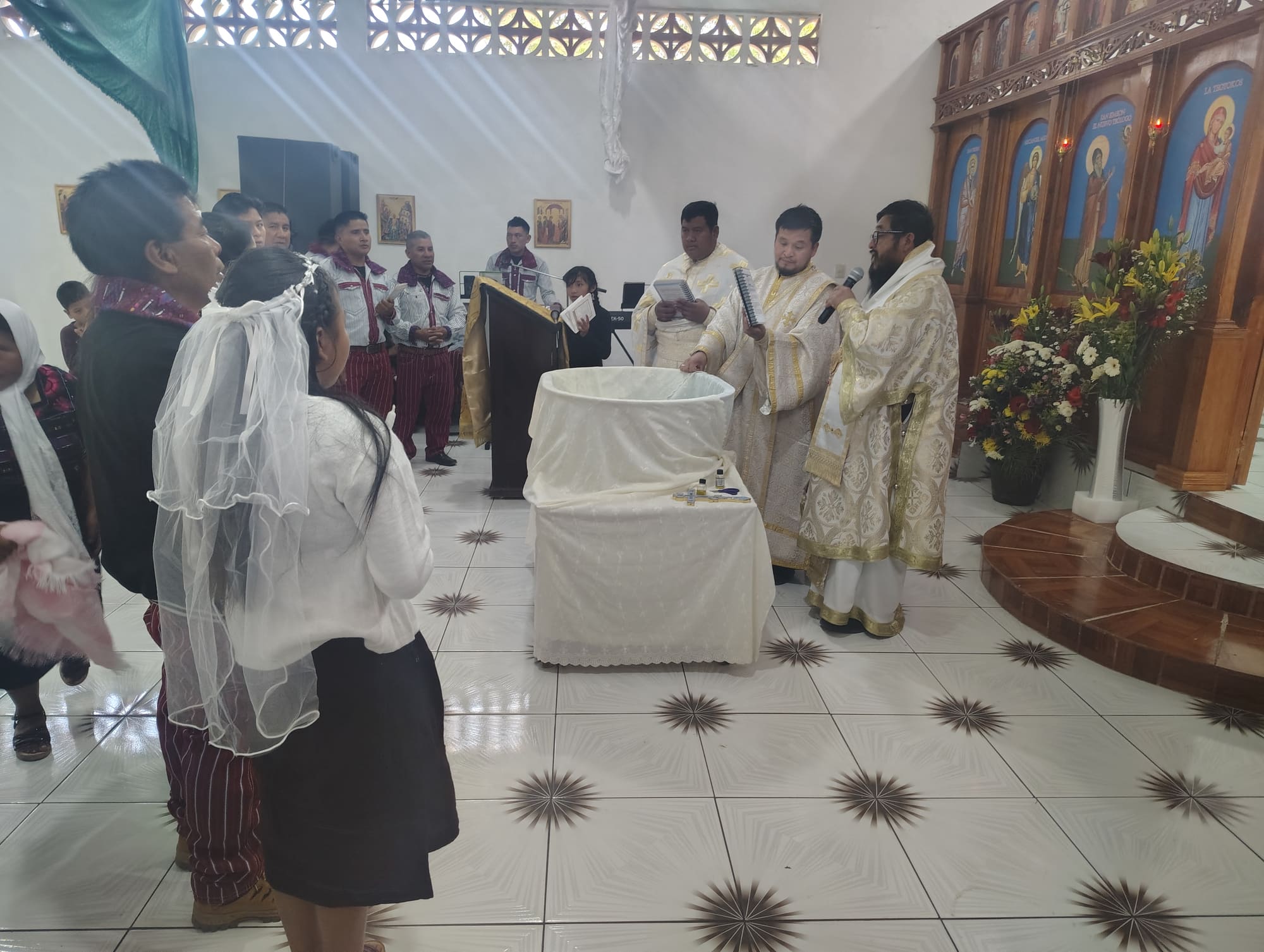
At my first stop, I witnessed the baptism of eight infants and thirty-two adults. Two days later, at the next parish, five infants and fifteen adults. At my final liturgy, the same again.
How do you answer a child who hugs your leg and looks up at you with a sweet, open smile? How do you feel when proud parents ask for a picture with you and their newly baptized child? I cannot describe that feeling.
Midday · The meal
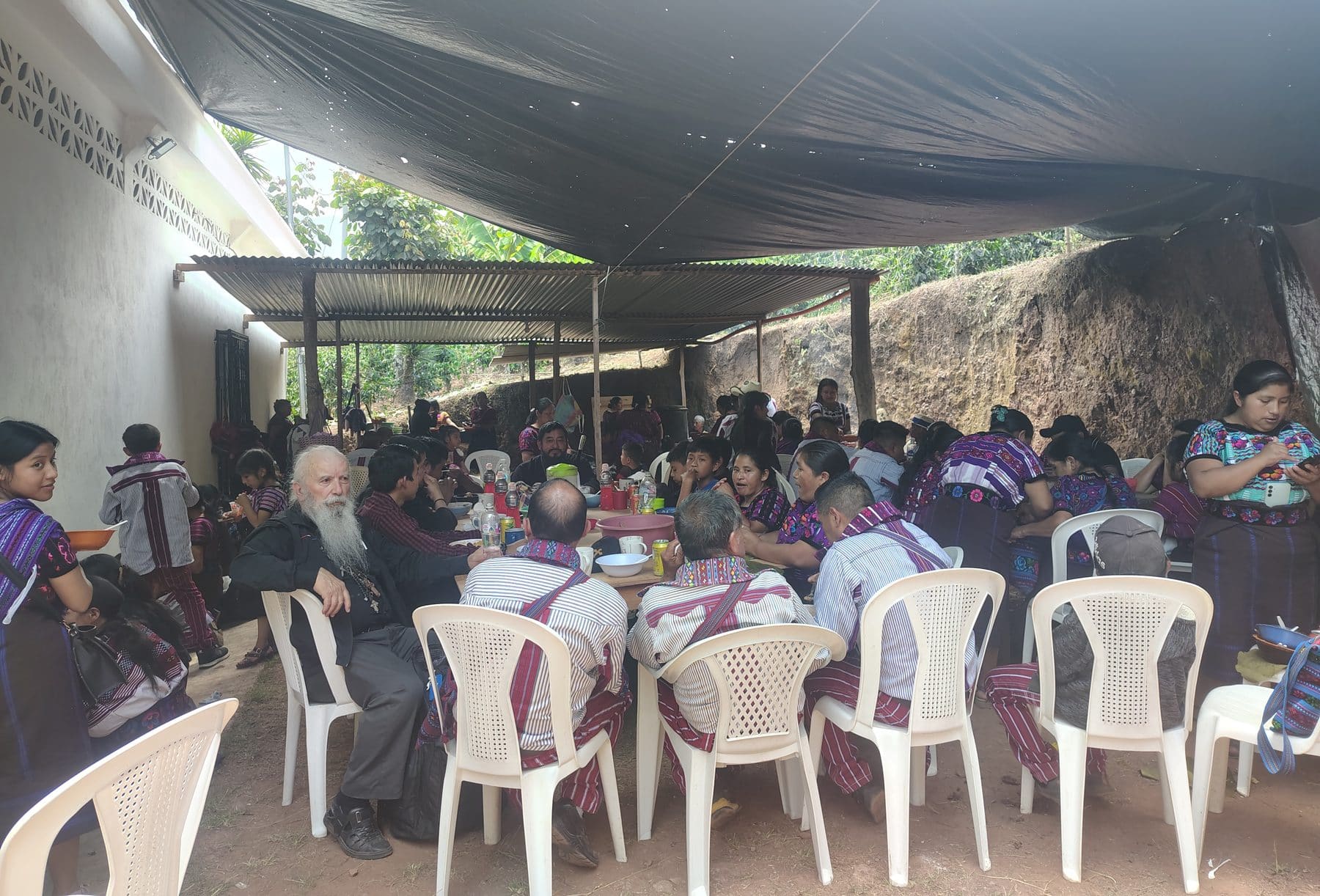
Afterward, a meal for everyone.
They were always smiling, always glad we had come, and afterward they prepared a meal for everyone. I left thinking we should be doing this work every single day. Human strength is the only thing standing in the way.
Evening · The road home
Back on the road before dark.
By evening the clergy are driving home: another two to four hours, often with dinner eaten in the car. Behind them, the faithful go back to waiting, not knowing when they will next have a liturgy, a confession or a baptism.
Next Sunday the same six clergy leave at 5:00 again, for another village. This is what they are up against.
Half a million souls. One bishop, two priests, three deacons.
- 134
- parishes across the highlands and the coast
- 6
- clergy to serve them: one bishop, two priests, three deacons
- 40
- baptisms witnessed in a single morning
- 20
- regional churches to be furnished first
What reward could ever be enough for these honorable, tireless, humble and devoted men? Nothing we give could repay them, but we can make sure they do not carry this alone. Please help.
The first step is to establish twenty regional parishes, each serving four to six surrounding communities, each with its own priest. A sponsor covers a priest at $750 a month while the parishes grow into supporting their own clergy.
Three ways to help